
Apicoectomies & Endodontic Microsurgery Bloomfield
Getting to the Root of the Problem

Have you recently undergone root canal treatment but now feel as if something isn’t right? It’s possible that some of the infection still exists within your tooth. If this is the case, an apicoectomy may be required. This method of endodontic microsurgery in Bloomfield can quickly address the problem and give your smile the attention it needs to remain healthy. Call our team at North Jersey Endodontic Group of Bloomfield today if you have questions about a particular tooth.
Why Choose North Jersey Endodontic Group of Bloomfield for Apicoectomies & Endodontic Microsurgery?
- Talented Team of Endodontists Who Are Ready to Help
- State-of-the-Art Dental Technology Available In-House
- Same-Day Emergency Dental Appointments
What Is an Apicoectomy?
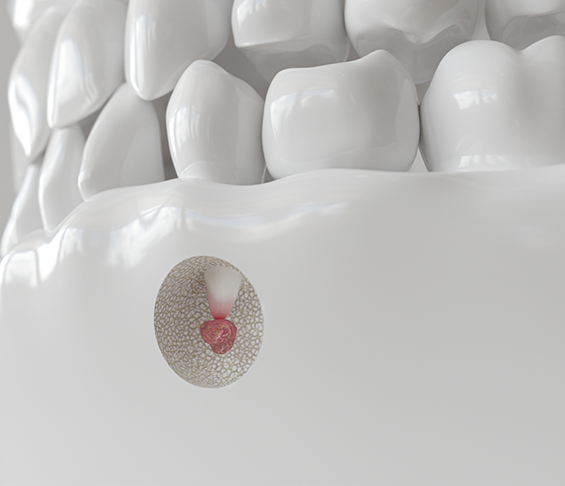
Although it is unlikely that an apicoectomy will need to be performed, we may recommend it if we discover infected tissues that need to be removed along with the root tip.
Oftentimes, if you begin to notice a problem after undergoing a root canal, we will check to see if there is a small crack or fracture that is making it easy for bacteria to attack the tissues and reinfect the tooth. After a careful examination, we’ll determine if an apicoectomy is the right course of action.
The Apicoectomy Treatment Process

We’ll begin by administering local anesthesia to numb your mouth before carefully opening the gums surrounding the area of the infected tooth. Using specialized instruments, we’ll remove the root tip and any remaining inflamed tissues, ensuring there are no remnants of bacteria or infection. Our team will then begin to clean out the tooth before closing the gums so that they can heal properly over time.
What Happens After My Apicoectomy?

Once your apicoectomy is complete, you can expect to experience some mild discomfort, especially since the gums must be opened and closed. Fortunately, you can take an over-the-counter pain reliever to help minimize your symptoms.
What is most important is preventing another infection, so we may prescribe antibiotics, which you will need to take as instructed. Once you begin to feel more like your normal self, you can resume regular activity after a few days.
Should you notice a problem or believe your symptoms are worsening, call us right away.
Apicoectomies & Endodontic Microsurgery FAQs
Why Is an Apicoectomy Better Than a Tooth Extraction?
When you face infection or persistent problems at the tip of a tooth's root, an apicoectomy offers a valuable alternative to extraction. Indeed, saving a natural tooth whenever possible is the best approach for long-term dental health.
Choosing an apicoectomy allows you to preserve your natural tooth, which maintains both your smile's appearance and your ability to chew comfortably. You may also avoid the bone loss and shifting of adjacent teeth that can occur following an extraction. Additionally, retaining your own tooth prevents the need for additional complex dental work, such as bridges or implants, which can be costly and time-consuming.
How Successful Are Apicoectomies at Saving Infected Teeth?
An apicoectomy is a highly effective option for treating infections that persist after root canal therapy. With modern techniques and specialized equipment, the procedure has a strong track record of success in resolving infection and preserving teeth. By removing only the infected tissue at the tip of the root, you can expect a positive outcome with minimal disruption to the rest of your tooth.
We use advanced microsurgical methods to maximize the chances of a successful recovery. Most patients experience significant relief from symptoms and enjoy long-term retention of their natural tooth following an apicoectomy.
What Are Some Signs that Might Indicate I Need an Apicoectomy?
If you have had a root canal in Bloomfield but still experience persistent discomfort or other symptoms, an apicoectomy may be recommended. Come see us for a consultation if you notice any of the following:
- Ongoing pain or tenderness in or near a previously treated tooth.
- Swelling or redness of the gum tissue around the affected area.
- Development of a pimple-like bump or abscess on the gums.
- Persistent sensitivity to temperature or pressure.
- Radiographic evidence of infection at the root tip, as identified by your general dentist or another member of your care team.
How Long Does It Take to Recover from an Apicoectomy?
Recovery from an apicoectomy is generally straightforward, with most patients returning to normal activities within a few days or less. You may experience mild discomfort or swelling, which can be managed with recommended medications and home care. Following our post-operative instructions will support your healing and help you avoid complications.
We will monitor your progress throughout the recovery period to make certain that your tooth heals properly. Follow-up visits allow us to address any concerns and confirm successful treatment. It can take several months for the bone to completely heal around the site of an apicoectomy.
How Much Does an Apicoectomy Cost?
The cost of an apicoectomy depends on several factors, including the complexity of the procedure and your individual dental needs. While we cannot provide specific numbers, we strive to offer treatment options that are both effective and financially reasonable. Our team will discuss your situation and help you understand the factors that may influence the cost of care.
We work with various insurance plans and offer flexible payment options to make your care as accessible as possible. If you have financial concerns, let us know, and we will explain what policies are in place to assist you.