
Endodontic Retreatment Bloomfield
Saving Smiles by Revisiting Problem Teeth

At North Jersey Endodontic Group of Bloomfield, our team of experts goes to great lengths to ensure a root canal is a one-time procedure. This is usually achievable because of its high success rate and modernized technologies we use in-house. However, no method of dental treatment is 100% without risk. If developing pain or additional symptoms arise that cause you to believe there may be reinfection, call our office right away; we’ll examine the tooth and decide if endodontic retreatment in Bloomfield is what you need.
Why Choose North Jersey Endodontic Group of Bloomfield for Endodontic Retreatment?
- Endodontic Specialists with Years of Proven Experience
- Fast, Same-Day Emergency Dental Appointments Available
- We Welcome Your Dental Insurance & Will Maximize Your Benefits
What Is Endodontic Retreatment?
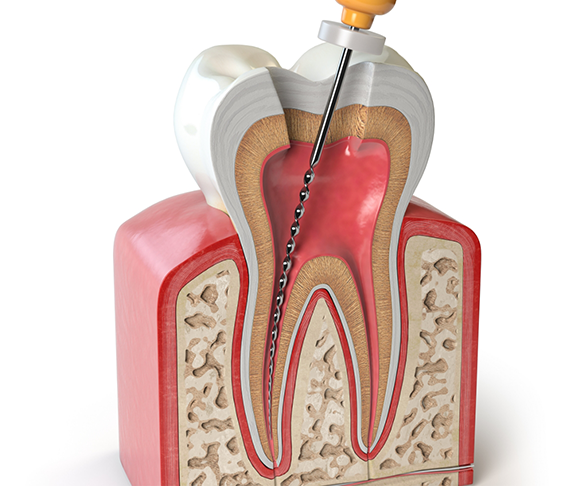
When a previously infected tooth undergoes root canal treatment but later becomes painful or presents symptoms of reinfection, endodontic retreatment is required. This procedure is designed to remove any bacteria that remain inside the tooth so it can avoid extraction. Although every effort is made during root canal treatment to remove the infection, there is the potential that some pockets of bacteria can be overlooked. However, with endodontic retreatment, we can eradicate the problem and save the tooth for a healthier future.
Why Would I Need Endodontic Retreatment?
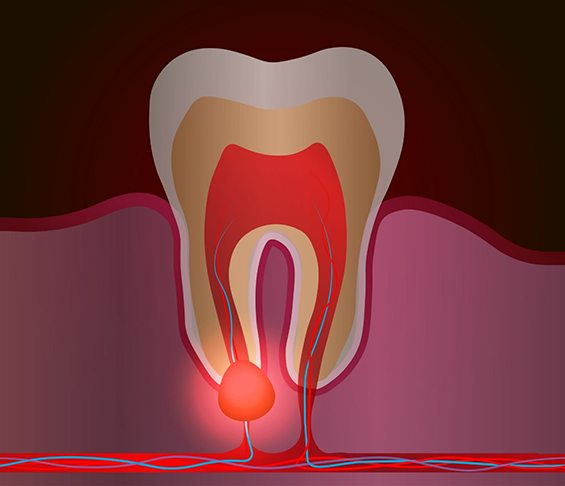
Our team may recommend endodontic retreatment if:
- A previously treated tooth becomes painful
- An abscess (pimple-like bump) forms on the gums near the previously treated tooth
If you notice either of these situations, do not put off calling our office. Getting the help you need right away will give us the best chance of saving your natural tooth instead of having to extract it.
The Endodontic Retreatment Process
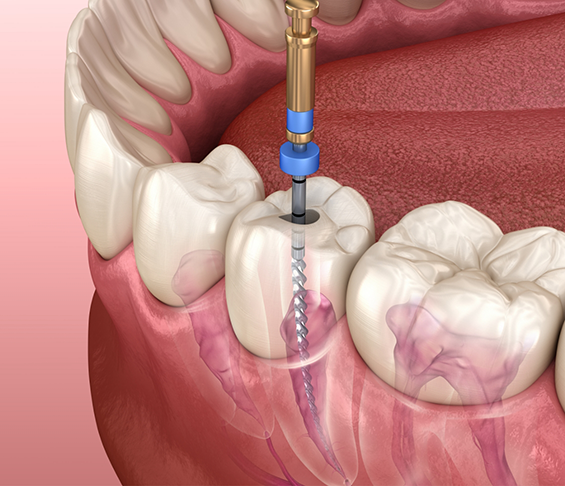
Similar to a root canal, endodontic retreatment requires that you first receive local anesthesia to numb your mouth. After removing the crown and gutta-percha, we will begin to clear out the inside of the tooth, making sure we carefully review each canal so that no bacteria or infection remains. Once we are finished, we’ll refill the tooth with the biocompatible solution and seal it off before re-bonding the crown into place.
We’ll likely require that you attend a few follow-up appointments after endodontic retreatment so that we can make sure no additional problems occur.
Endodontic Retreatment FAQs
How Long Does Endodontic Retreatment Take?
The exact timeline for the endodontic retreatment process largely depends on how complex the patient’s situation is. That being said, it does often take more time than the initial root canal treatment. This is partly due to the extra time needed to remove the restoration and seal that were previously placed; additionally, our team will need to examine your tooth thoroughly in order to make sure that we don’t overlook any canals that might have been missed during the first procedure.
When our team is setting up your endodontic retreatment, we can give you an estimate of how long it will likely take so that you can plan accordingly. Bear in mind that once your endodontic retreatment is complete, you will need to rest at home for at least a day or two as part of the recovery process.
Is It Better to Have a Tooth Removed?
A tooth extraction typically costs less than an endodontic retreatment, and it can often be completed in less time. However, losing a tooth can have serious consequences for the health of your smile in the long term. Furthermore, if you choose to have the tooth replaced, you will need to fit the cost of a bridge, denture, or dental implant into your budget.
In general, it’s better to save your tooth via endodontic retreatment whenever possible. This will allow you to keep your natural smile intact, which is always the best option for your oral health.
Is an Endodontic Retreatment Usually Performed Shortly After the First Root Canal?
No, most endodontic retreatments are actually performed years later. Root canal treatments are generally very reliable and have an extremely high short-term success rate. However, in the years following the procedure, the tooth could potentially suffer from a new infection or additional damage, thus making additional endodontic care necessary.
If a tooth that previously received a root canal in Bloomfield has started bothering you again, we highly recommend that you call our office as soon as possible. Once your tooth has been examined, our team will be able to determine whether an endodontic retreatment is truly necessary.
Does Dental Insurance Cover Endodontic Retreatment?
If endodontic retreatment is deemed necessary to save your tooth and protect your oral health, then there’s a good chance that your dental insurance plan will partially cover it. Many insurance companies will pay around 50% of the cost of endodontic retreatment since it’s usually classified as a major procedure.
Note that the details of your plan may affect the amount that you need to pay out of your own pocket. For example, if you’ve already met your annual maximum, your dental insurance company won’t pay for additional treatments until your plan resets at the end of the year. Our team will be more than happy to review your plan with you and help make sure that you understand your benefits so that you aren’t caught off guard later.